Home / Articles
Real Patient Stories: Life After Laparoscopic Hernia Repair
Home / Articles
Real Patient Stories: Life After Laparoscopic Hernia Repair
Most people don’t think about their abdominal wall—until it gives way. A hernia can start as a mild bulge or dull ache near the belly button or groin. Left untreated, it can grow larger, cause daily discomfort, and even lead to dangerous complications. At Always For You Medical Center here in Gwangjin-gu, we meet patients every week who delayed treatment out of fear—only to discover that modern laparoscopic hernia repair is far safer and faster than they imagined.
In this article, we share true stories (with names changed for privacy) from real patients who chose laparoscopic hernia repair with us—and what life looks like afterward.
Mr. Kim, a 42-year-old office manager, first noticed a small swelling near his right groin after moving heavy boxes during an office relocation. "At first, I thought I’d just pulled something," he says. "It wasn’t painful, so I ignored it." Months later, the bulge grew, the discomfort worsened, and tight waistbands no longer hid it. He began avoiding long walks and even gave up his weekend hiking trips.
When Mr. Kim finally came to Always For You Medical Center, Dr. Woo-Young Yoon explained that a hernia never heals on its own—it only enlarges over time. Mr. Kim’s biggest worry was taking time off work. "I thought I’d be stuck at home for weeks," he admits. But once he learned that laparoscopic hernia repair involves only small puncture incisions, he felt reassured.
Mr. Kim’s procedure was done on a Friday afternoon. "I rested the weekend and was back at my desk Monday morning—moving carefully, but back to normal life," he says. Within two weeks, he resumed light jogging. "I shouldn’t have waited so long. I got my weekends back."
Mrs. Park, a 58-year-old grandmother, lived with an inguinal hernia for over two years. "I was too afraid to have surgery," she confesses. "I remembered my father’s big scar and how long he was in bed." Like many older patients in Korea, Mrs. Park equated hernia surgery with a long hospital stay and painful recovery.
Her hernia eventually interfered with household chores and playing with her grandchildren. "I couldn’t lift my granddaughter without pain," she says. After a friend recommended Always For You Medical Center, she decided to come in for an exam.
Dr. Byung-Hoon Son explained the differences between open and laparoscopic surgery. "My biggest relief was when the doctor said there’d be only tiny scars," Mrs. Park recalls. She had her procedure on a Tuesday morning and went home the next day. "By the weekend, I was walking slowly outside. The nurses even called me after I got home, just to check in."
Mrs. Park now urges her friends not to wait. "I tell everyone: modern surgery is not like the old days."
Mr. Choi, 31, an amateur tennis coach, discovered his hernia when an annoying ache in his lower abdomen kept returning after matches. "At first I thought it was just a strain," he says. "I kept stretching it out and taking painkillers." When the bulge became visible, he knew he needed help.
After visiting Always For You Medical Center, he chose laparoscopic surgery to get back to his game as quickly as possible. "I was really nervous about losing my core strength," he says. "But my doctor explained that fixing the hernia would actually make my core stronger and prevent bigger injuries."
After six weeks, Mr. Choi was back on the court, coaching junior players. "I run, twist, jump—without that constant worry in my head. There’s barely a scar. I’m glad I didn’t keep ignoring it."
Hernias happen when part of an internal organ or tissue pushes through a weak spot in the surrounding muscle or fascia. The most common types include:
Common signs include:
A visible bulge that may grow larger when standing or coughing.
A dull ache or pressure that worsens with lifting or straining.
Discomfort that gradually becomes persistent.
Without treatment, hernias can enlarge or even lead to strangulation—a dangerous situation where blood flow to trapped tissue is cut off. This requires emergency surgery.
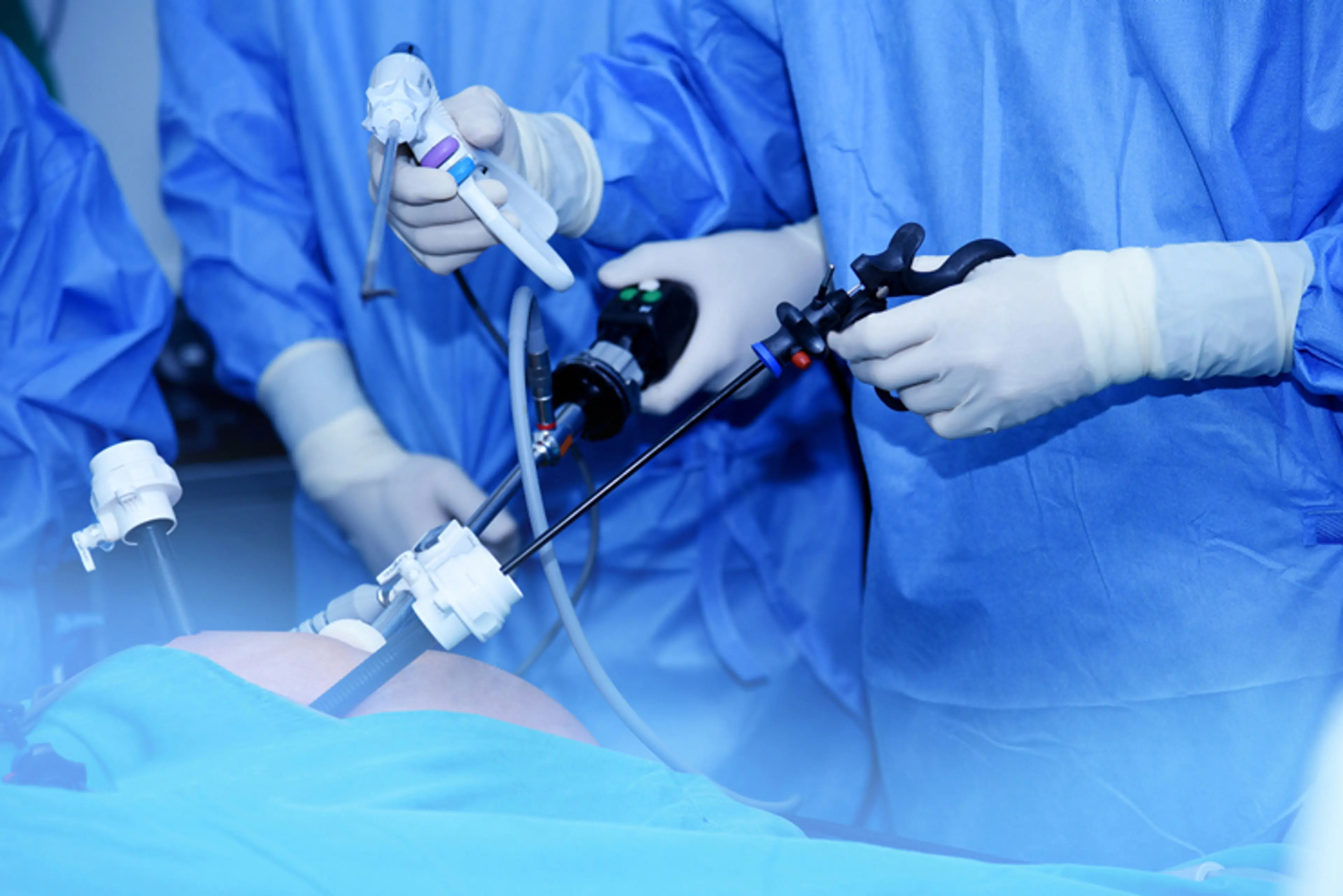
At Always For You Medical Center, we specialize in minimally invasive techniques for hernia repair. Unlike traditional open surgery, laparoscopic repair uses a few small incisions. Through these, a thin camera (laparoscope) and fine instruments repair the hernia and strengthen the area with a surgical mesh.
The benefits are clear:
At our center, we pair advanced surgical methods with individualized care. We check each patient’s health status thoroughly, customize the surgical plan, and provide same-day imaging when needed. This careful planning reduces risks and shortens hospital stays.
For many patients, understanding the process helps ease anxiety. Here’s how it usually goes at Always For You Medical Center:
We tell all our patients: "Your recovery is teamwork." Here’s what helps:
These steps help patients return to work, family, and hobbies with confidence.
Many people delay seeing a doctor because the bulge seems small or painless. But hernias don’t heal on their own. In fact, larger hernias can be harder to repair and carry higher risks. Sudden pain, nausea, or inability to push the bulge back in are warning signs—seek immediate care.
For quick diagnosis and expert repair, centers like Always For You Medical Center provide same-day consultations and advanced surgical options.
Hernias can happen to anyone—active young people, busy workers, grandparents. The good news is that with modern laparoscopic surgery, recovery is faster and easier than ever before.
If you’re living with a bulge or nagging discomfort, don’t wait for it to get worse. We’re here to help you feel whole again, with less downtime and more support every step of the way.
Book a consultation at Always For You Medical Center today—and take the first step back to your full, active life.