Fistula Surgery Recovery
post-op-care-for-fistula-surgery:-helping-your-body-heal-betterFistula surgery is an essential step in addressing the discomfort and potential complications caused by anal or perianal fistulas. However, the road to recovery after such surgery can be as important as the procedure itself. Ensuring optimal healing, minimizing complications, and enhancing long-term outcomes require careful post-operative care.
At Always For You Medical Center, we emphasize not only advanced surgical techniques but also the critical importance of post-surgery care. After all, how you manage your recovery plays a crucial role in ensuring that the surgery's benefits are fully realized. This guide will walk you through the necessary steps and tips to recover effectively, ensuring that your body heals well and that you avoid potential setbacks.
What Is Fistula Surgery?
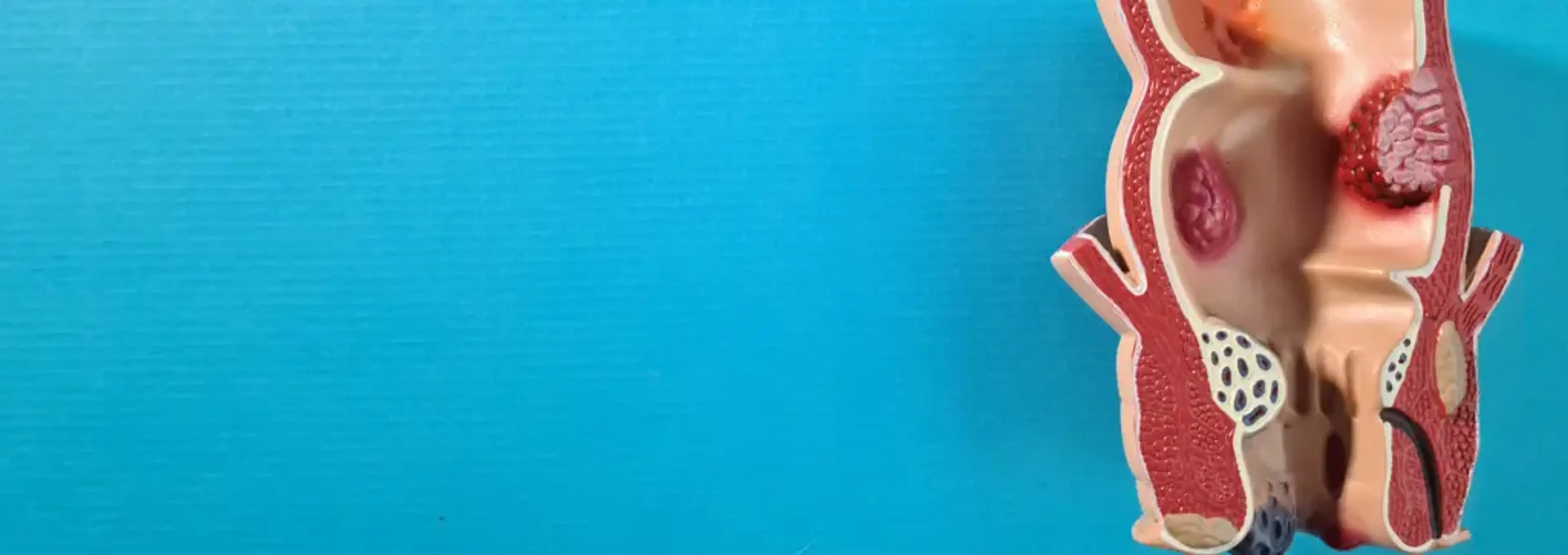
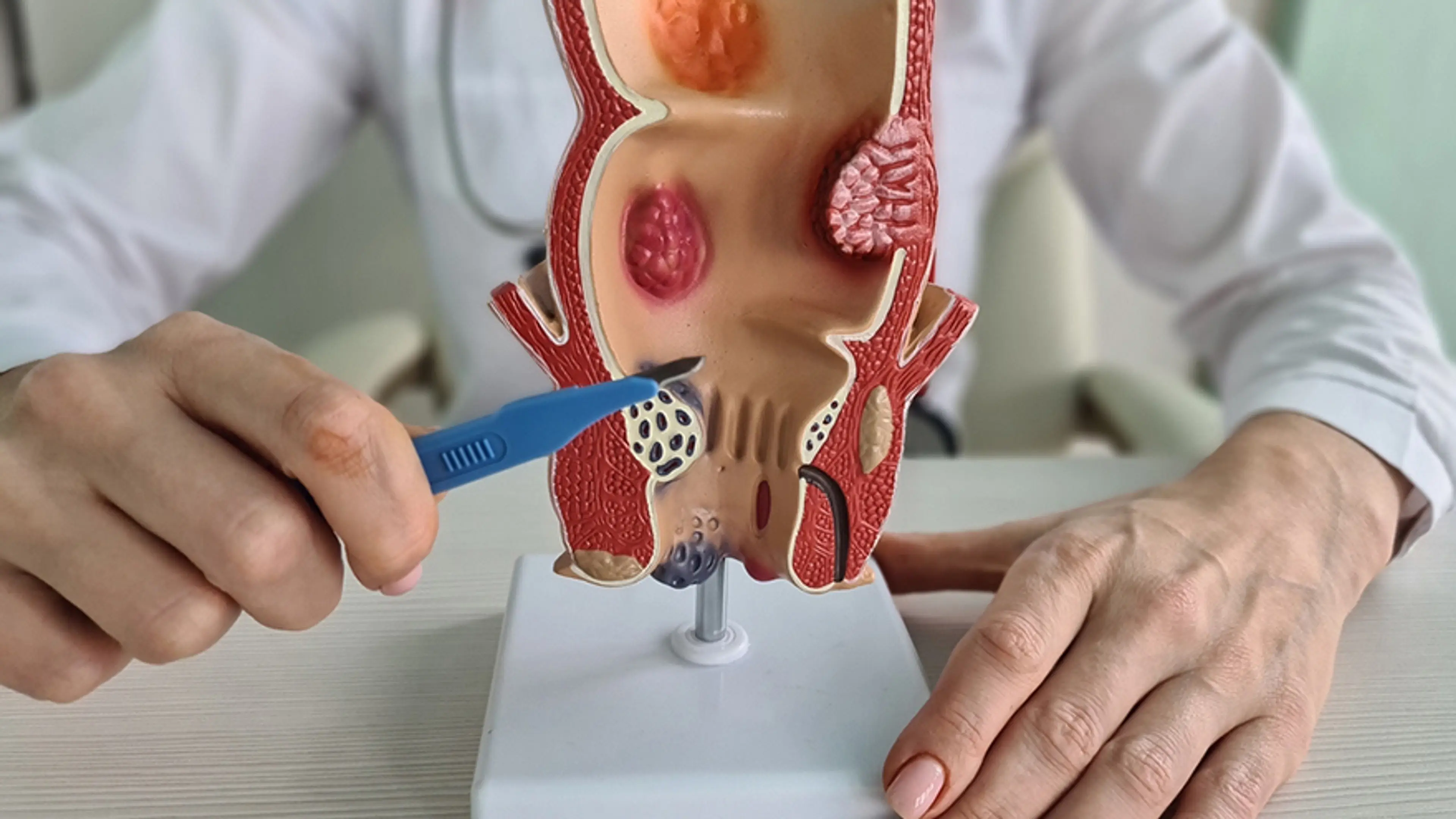
what-is-fistula-surgeryBefore diving into post-operative care, let’s quickly review what fistula surgery entails. A fistula is an abnormal connection between two body parts, most commonly occurring between the anal canal and the skin near the anus. It often results from an infection in the anal glands, leading to an abscess. If left untreated, the abscess can evolve into a fistula, causing pain, drainage, and in some cases, more serious complications.
Fistula surgery involves draining the infected area and sometimes cutting through the fistula tract to promote healing. The goal is to remove the abnormal connection and allow the tissues to heal naturally. Recovery, however, involves several steps to ensure that the site heals properly, with minimal risk of infection or recurrence.
Key Post-Op Care Tips for Fistula Surgery
key-post-op-care-tips-for-fistula-surgeryHere’s a breakdown of what to expect during your recovery and how to ensure the best possible healing.
1. Follow the Pain Management Plan
1.-follow-the-pain-management-plan
It’s normal to experience some discomfort after fistula surgery. Depending on the complexity of the surgery, the level of pain can vary. Post-operative pain management is essential not only for comfort but for promoting recovery.
Pain medications: Your doctor will likely prescribe medications to manage post-op pain. Take these medications as directed, and never skip doses unless advised by your doctor.
Sitz baths: After surgery, a warm sitz bath can soothe the area and help ease pain. Sitting in warm water for 15-20 minutes several times a day (especially after bowel movements) can help relax the muscles around the surgical site and promote healing.
2. Keep the Area Clean and Dry
2.-keep-the-area-clean-and-dryMaintaining hygiene is paramount in preventing infection and promoting healing after fistula surgery. However, you must be gentle to avoid irritating the surgical site.
Gentle cleaning: After using the restroom, use gentle wipes (preferably unscented) or take a shower to cleanse the area. Avoid vigorous scrubbing or using harsh soaps.
Drying the area: Pat the area dry with a soft towel or allow it to air dry. Never rub the area, as this can cause irritation.
3. Adhere to Dietary Guidelines for Healing
3.-adhere-to-dietary-guidelines-for-healingNutrition plays an important role in your body’s ability to recover. Proper diet choices can prevent constipation, which could put additional strain on your healing fistula area, and they can also speed up recovery.
Fiber-rich foods: Eating foods high in fiber, such as fruits, vegetables, and whole grains, helps soften stools, preventing constipation and making bowel movements less painful.
Hydration: Drink plenty of fluids. Hydration supports digestion and helps soften stool, reducing pressure on the surgical site.
Avoiding irritants: Spicy foods, alcohol, and caffeine may irritate your digestive system. Consider avoiding these during the recovery period.
4. Bowel Movements and Managing Constipation
4.-bowel-movements-and-managing-constipationOne of the most common challenges during recovery is managing bowel movements. Straining during bowel movements can cause excessive pressure and interfere with healing. Here are some tips to reduce discomfort:
Stool softeners: If you’re experiencing constipation, your doctor may recommend stool softeners or mild laxatives. These can help make bowel movements easier and reduce strain on the surgical site.
Positioning: Consider using a squatty potty or a footstool to help position your body in a more natural alignment for bowel movements, making them less painful.
5. Watch for Signs of Infection or Complications
5.-watch-for-signs-of-infection-or-complicationsThough infection is a risk following any surgery, early detection and prompt treatment can prevent complications. After fistula surgery, it’s crucial to be vigilant and watch for any signs of infection.
Redness, swelling, or warmth: If you notice these symptoms around the surgical site, it could indicate infection.
Fever: A fever that persists for more than 24 hours should be reported to your doctor.
Increased pain or unusual drainage: If the pain becomes unmanageable or you notice an increase in the drainage or a change in its color or odor, contact your surgeon.
6. Rest and Limit Physical Activity
6.-rest-and-limit-physical-activityWhile it’s essential to keep moving to avoid blood clots, rest plays a crucial role in the healing process. Avoid strenuous activities, heavy lifting, or any actions that could strain the area, such as sitting for prolonged periods.
Short walks: Gentle walking can stimulate circulation and aid in the healing process, but avoid activities that put direct pressure on your pelvic or abdominal area.
Avoiding long periods of sitting: Sitting for long periods of time can increase pressure on the surgical area, so try to stand up or shift positions regularly.
7. Follow-Up Appointments
7.-follow-up-appointmentsFollow-up care is vital to ensure that your recovery is progressing smoothly. After your fistula surgery, your surgeon will schedule regular follow-up visits to check the healing progress and address any concerns.
Wound check: During follow-up visits, your doctor will examine the surgical site to ensure it’s healing properly and without complications.
Recovery milestones: During these appointments, your doctor will also discuss when it’s safe to return to normal activities and gradually resume your regular routine.
8. Psychological Support and Patience
8.-psychological-support-and-patienceRecovering from fistula surgery isn’t just a physical process — it can be an emotional one, too. Dealing with discomfort, taking time off work, and managing self-esteem issues during recovery can take a toll on your mental well-being.
Be patient: Recovery can take time. It's important to be patient with your body as it heals, and avoid pushing yourself too hard.
Seek support: If you find yourself struggling emotionally or mentally, don’t hesitate to reach out to a counselor or support group. Many people find it helpful to talk to others who have gone through similar experiences.
When to Contact Your Doctor
when-to-contact-your-doctor
It’s natural to have some questions or concerns during your recovery period. If you experience any of the following, be sure to contact your doctor promptly:
Increased pain, especially if it is not alleviated by prescribed medications
Signs of infection, such as increased redness, swelling, or pus-like drainage
Persistent fever that lasts more than 24 hours
Any new or unusual symptoms that weren’t present before the surgery
The Role of Specialized Care at Always For You Medical Center
the-role-of-specialized-care-at-always-for-you-medical-centerAt Always For You Medical Center, we don’t just focus on the surgery itself — we understand that healing is a process, and our dedicated team is here to support you every step of the way. From personalized post-op care plans to providing you with resources that help you recover efficiently, our goal is to help you return to a healthy, pain-free life.
If you’ve had fistula surgery or are preparing for it, we encourage you to book a consultation with our team of experts. Together, we can create a tailored recovery plan that helps your body heal faster and more effectively.
Conclusion
conclusionPost-operative care is crucial for ensuring a full recovery after fistula surgery. By following the right steps, such as managing pain, maintaining hygiene, eating a proper diet, and keeping a watchful eye on any signs of complications, you can give your body the best chance to heal. At Always For You Medical Center, we are committed to your health and recovery, offering not just expert surgeries but also the ongoing support you need to thrive.
If you’re recovering from fistula surgery or considering it, don’t hesitate to reach out. The first step toward a smooth recovery is understanding what your body needs, and we’re here to guide you through it with care and precision.