Choosing Between Laparoscopic and Open Hernia Surgery: Which Is the Better Option?
If you’re dealing with a hernia, you're likely feeling concerned about the best treatment options available. Hernia repair is one of the most common surgeries performed worldwide, and the methods to fix them have evolved significantly over the years. Today, patients are presented with two primary surgical options: laparoscopic and open hernia surgery.
At Always For You Medical Center, we understand that choosing the right procedure can feel overwhelming. Each approach has its own set of benefits and risks, and the decision depends on a variety of factors, including your health, the type of hernia, and your personal recovery goals.
Let’s explore these two methods to help you make an informed choice that’s right for you.
What Is a Hernia, Anyway?
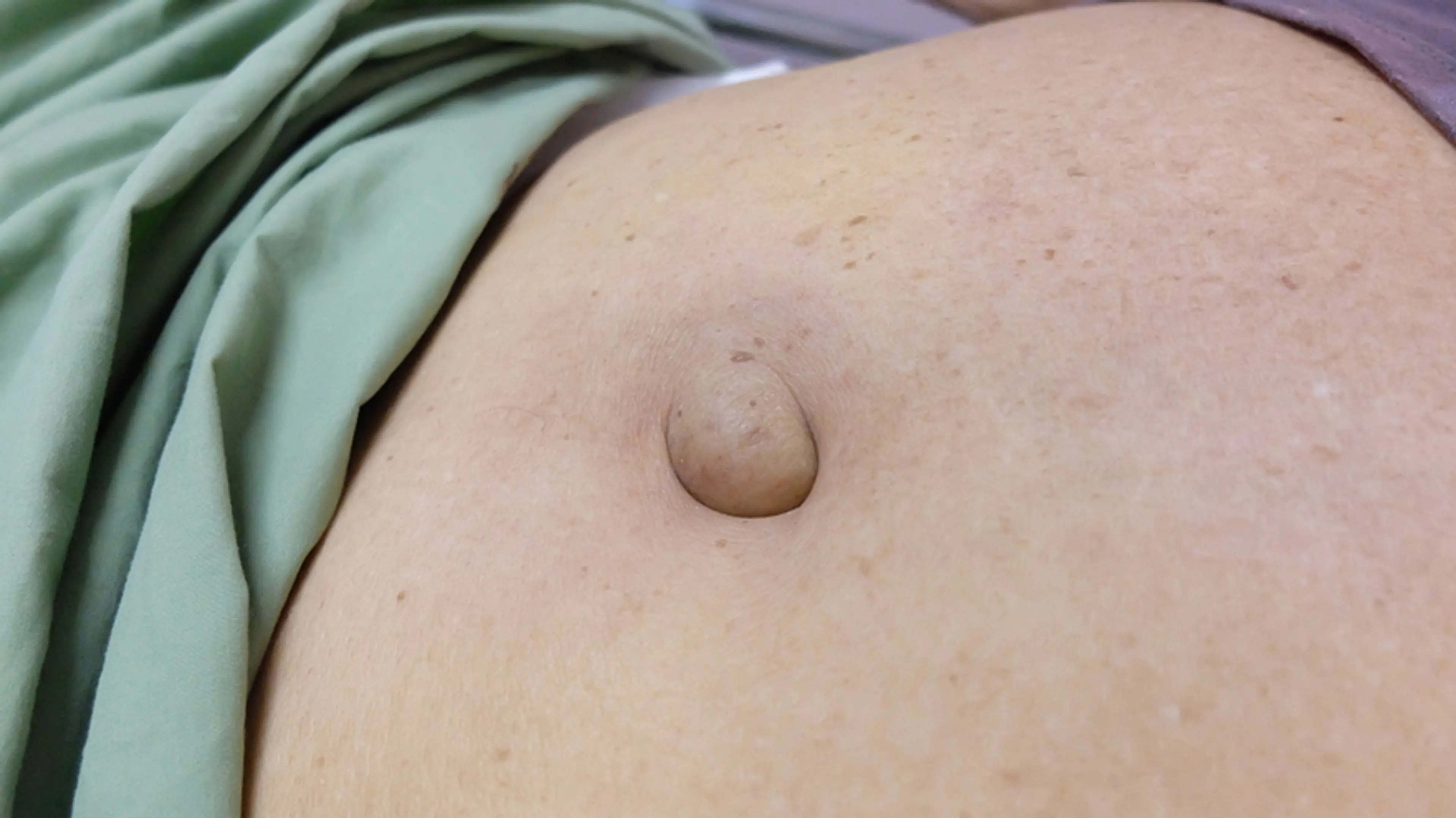
Before diving into the surgical methods, it’s helpful to understand exactly what a hernia is. A hernia occurs when an organ or tissue pushes through a weak spot in the surrounding muscle or connective tissue. The most common types include inguinal (groin area), umbilical (near the belly button), and hiatal (upper abdomen). Symptoms may vary from a noticeable bulge and mild discomfort to intense pain, especially during physical activities like lifting or coughing.
Regardless of the type, hernias don’t improve on their own, and surgery is typically recommended to prevent complications like strangulation, where the blood supply to the affected tissue is cut off.
Open Hernia Surgery: A Traditional Approach
Open surgery is the traditional method of hernia repair. In this approach, the surgeon makes a single, larger incision near the hernia site. Through this incision, the herniated tissue is pushed back into place, and the weakened muscle wall is repaired, often using a synthetic mesh to reinforce the area.
Advantages of Open Hernia Surgery:
Familiarity: Open surgery is the tried-and-true method with a long track record of success. Surgeons are highly experienced with this procedure, and it’s often considered the best option for certain types of hernias, especially large or complicated ones.
Fewer Technical Requirements: This surgery is less dependent on specialized technology and training, making it a reliable option for surgeons without advanced laparoscopic training.
Lower Costs: Due to its simpler nature and fewer technological requirements, open surgery may be less expensive than laparoscopic surgery, though the difference is often minimal.
Disadvantages of Open Hernia Surgery:
Larger Incision: The biggest downside to open surgery is the size of the incision. This leads to more visible scarring and a longer recovery time.
Longer Recovery: Because the incision is larger and there’s more disruption to the body’s tissues, the healing process is usually slower. Patients may need more time off work and may experience more discomfort during the recovery period.
Increased Risk of Infection: With a larger incision, there’s a higher risk of infection compared to minimally invasive techniques.
Laparoscopic Hernia Surgery: The Minimally Invasive Option
In laparoscopic hernia surgery, also known as minimally invasive surgery, the surgeon makes several small incisions instead of one large one. A tiny camera (laparoscope) is inserted through one of the incisions, allowing the surgeon to view the hernia and surrounding area on a monitor. The surgeon then uses small surgical instruments to repair the hernia, often placing mesh to strengthen the muscle wall.
Advantages of Laparoscopic Hernia Surgery:
Smaller Incisions: The incisions in laparoscopic surgery are much smaller compared to open surgery. This results in minimal scarring, and the incisions usually heal more quickly.
Faster Recovery: Patients typically experience less post-operative pain and can return to their regular activities much sooner. Many patients are able to return to work within a week or two, compared to 4-6 weeks for open surgery.
Less Risk of Infection: Smaller incisions mean there’s less exposure of internal tissues to the outside world, reducing the risk of infection.
Minimally Disruptive: Because the surgery is performed with small instruments, there’s less tissue disruption, which generally leads to a quicker recovery and less post-operative discomfort.
Disadvantages of Laparoscopic Hernia Surgery:
Requires Specialized Equipment and Expertise: Laparoscopic surgery requires advanced training and specialized equipment. Not all medical centers are equipped to perform laparoscopic surgeries, and some surgeons may not have the necessary expertise.
Higher Costs: The technology and expertise required for laparoscopic surgery can make this option more expensive than open surgery, though the difference is often offset by the shorter recovery time.
Not Suitable for All Hernias: In certain cases, such as large hernias or cases with significant complications, laparoscopic surgery may not be appropriate.
Which Is Right for You?
The decision between laparoscopic and open hernia surgery depends on a few key factors. Here’s what you should consider:
Hernia Type and Size: Some hernias, like small inguinal hernias, can be treated effectively with laparoscopic surgery. However, larger or more complex hernias might require open surgery for better access and repair.
Your Overall Health: If you have other health issues that make it difficult to tolerate longer surgeries or recover from major incisions, laparoscopic surgery might be a better option.
Your Recovery Priorities: If you’re looking for a faster recovery and less post-operative pain, laparoscopic surgery is generally the better choice. This is particularly beneficial for active individuals who don’t want to be sidelined for an extended period.
Your Surgeon’s Expertise: Laparoscopic surgery requires a surgeon who is highly skilled in minimally invasive techniques. Be sure to ask about the surgeon’s experience with both types of surgery and discuss the pros and cons in the context of your specific case.
Cost Considerations: While laparoscopic surgery can be more expensive due to specialized equipment and expertise, its shorter recovery time may offset this additional cost.
At Always For You Medical Center: A Personalized Approach to Hernia Repair
At Always For You Medical Center, our experienced team of surgeons, led by Dr. Woo-Young Yoon and Dr. Byung-Hoon Son, provides comprehensive care tailored to each patient’s needs. We’re committed to offering cutting-edge surgical options, including both laparoscopic and open hernia repair, and we take the time to discuss all your options, ensuring that you understand the risks and benefits.
We understand that a hernia diagnosis can be worrying, but with our advanced diagnostic tools and minimally invasive surgical techniques, we can provide a tailored approach to your treatment. We focus on reducing recovery times, minimizing pain, and helping you return to your everyday life as quickly as possible.
If you’re dealing with a hernia or want to learn more about your treatment options, book a consultation at our center. We’ll work with you to choose the procedure that best suits your health and lifestyle.
Conclusion
Choosing between laparoscopic and open hernia surgery is a personal decision, and it depends on several factors, including the type of hernia, your health, and your recovery goals. Laparoscopic surgery offers quicker recovery and less scarring, while open surgery might be more suitable for certain complex cases.
No matter which option you choose, the most important thing is to seek treatment early. Many patients hesitate to seek help for hernias, but delaying treatment can lead to complications that make the surgery more difficult. At Always For You Medical Center, we’re here to provide expert care and guide you through every step of the process. Reach out to us for a personalized consultation and start your journey toward healing today.