Introduction
is-gastroscopy-painful-here's-what-to-expect-and-how-to-prepareFor many people, the idea of having a gastroscopy — also called an upper endoscopy — brings a wave of hesitation. After all, the thought of a thin camera entering through your mouth and traveling into your stomach sounds anything but comfortable. The most common concern patients share with us is simple: “Will it hurt?”
At Always For You Medical Center in Gwangjin-gu, Seoul, we meet patients every day who feel this nervousness. Some have put off the test for years because of fear, while others come in only after symptoms become impossible to ignore. The reassuring truth is this: while a gastroscopy can feel unusual, it is rarely painful. With modern sedation techniques, expert hands, and the right preparation, most patients are surprised at how quick and tolerable the experience is.
In fact, many tell us afterward: “I can’t believe I was so worried — it was over before I knew it.”
What Exactly Is a Gastroscopy?
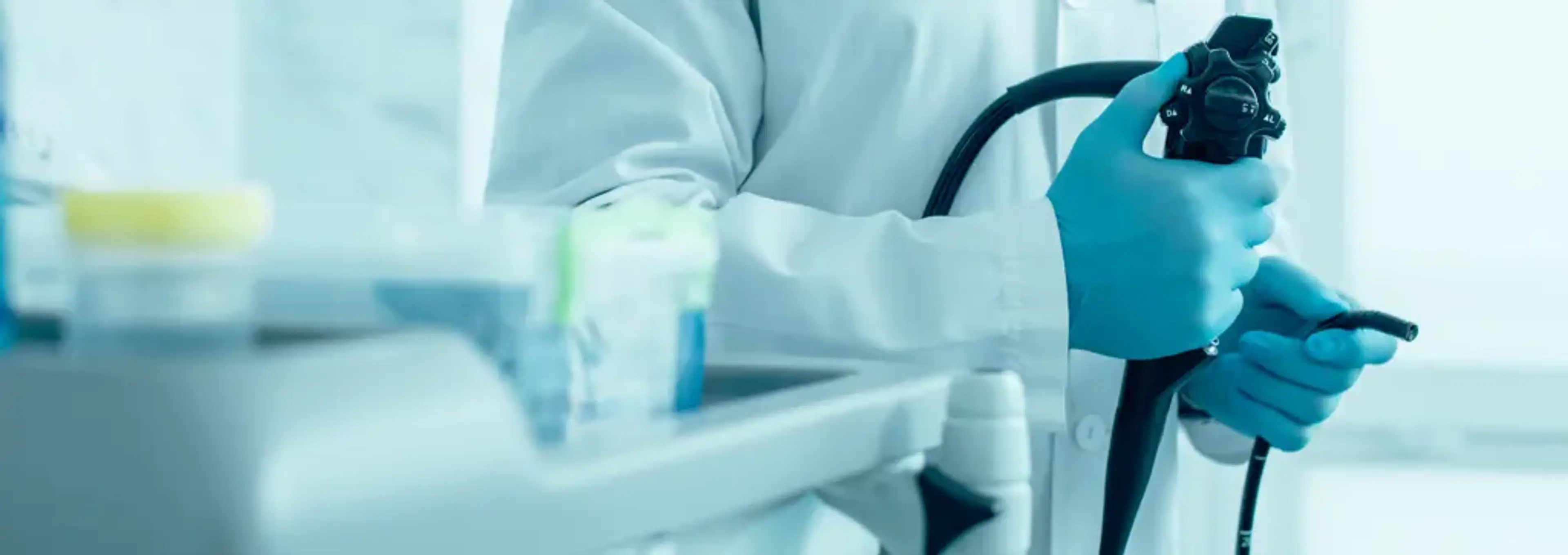
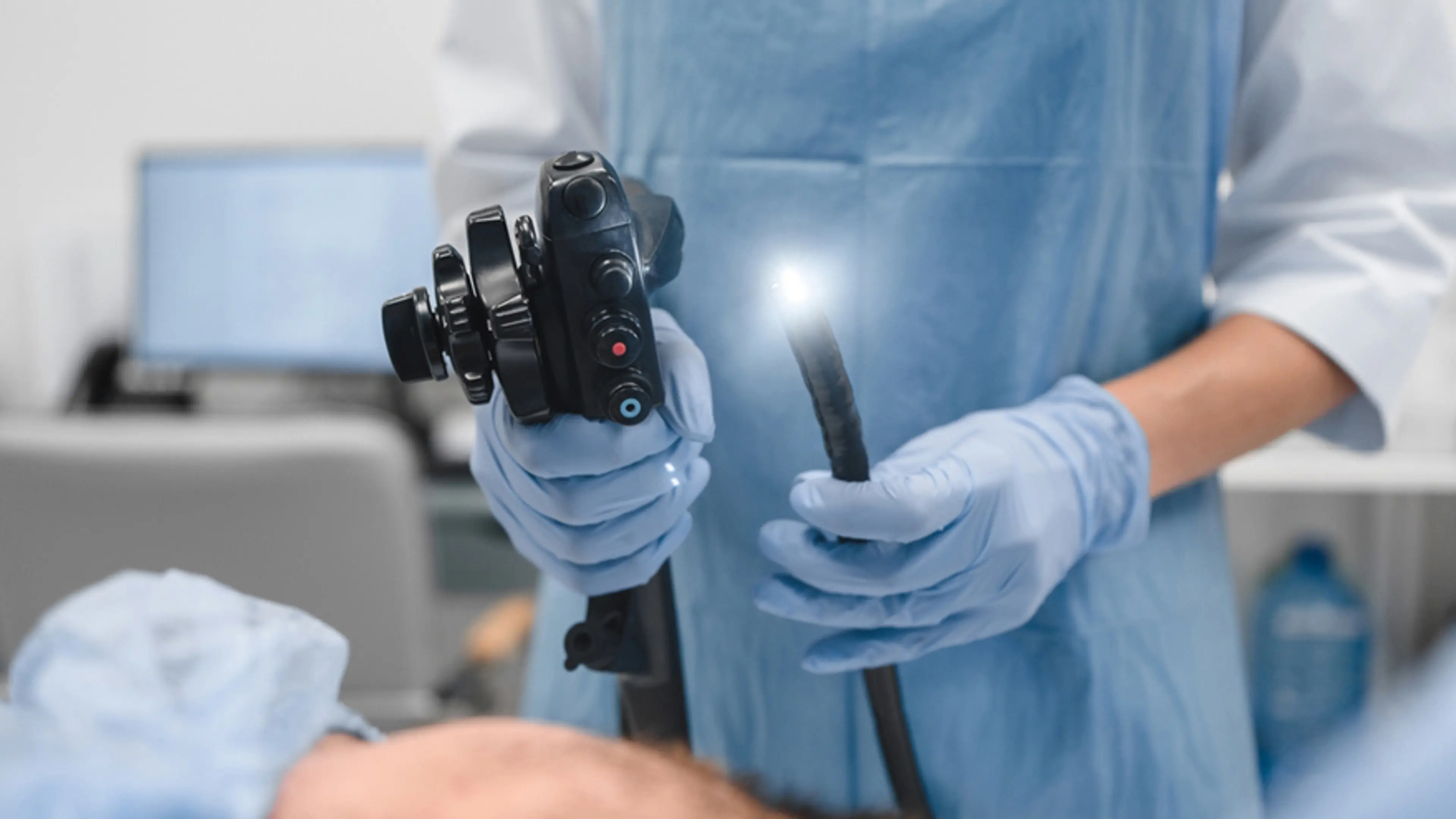
what-exactly-is-a-gastroscopyThink of a gastroscopy as a close-up camera inspection of your digestive “highway.” A slim, flexible tube (called an endoscope) with a tiny light and camera is guided through your mouth, down your throat, and into your esophagus, stomach, and duodenum (the first part of the small intestine).
This procedure gives doctors a real-time, detailed look at the lining of your upper digestive tract — something no X-ray or blood test can show as clearly. During the exam, the doctor can also:
Take small tissue samples (biopsies) to check for infection, inflammation, or cancer
Identify and treat sources of bleeding
Remove small growths or polyps
Check for early signs of stomach cancer, ulcers, or esophageal disease
In Korea, where gastric cancer is more common than in many other countries, gastroscopy plays a particularly important role in early detection.
Why Might You Need a Gastroscopy?
why-might-you-need-a-gastroscopy
Doctors often recommend gastroscopy when patients experience persistent or unexplained symptoms, such as:
Ongoing acid reflux or heartburn
Difficulty swallowing (dysphagia)
Chronic nausea or vomiting
Stomach pain that doesn’t go away
Unexplained weight loss
Anemia (low red blood cells) without a clear cause
Black stools or signs of internal bleeding
In addition to these diagnostic reasons, gastroscopy is also part of Korea’s national cancer screening program, offered every two years to adults over 40. Many patients choose to combine gastroscopy with colonoscopy for a full digestive check-up.
At Always For You Medical Center, we frequently see patients who initially came in for a routine screening but discovered early-stage issues that were treated before they became serious.
Does a Gastroscopy Hurt?
does-a-gastroscopy-hurtThis is the heart of the question — and the answer may surprise you. A gastroscopy is more often uncomfortable than painful.
Most patients describe the sensations as:
A brief gagging reflex when the scope passes the throat
A feeling of pressure or fullness in the stomach
Mild bloating from the air used to expand the stomach for visibility
What patients rarely describe is pain. The endoscope is designed to be thin, flexible, and smooth — about the width of a small finger. Experienced doctors guide it carefully to minimize discomfort.
Sedation Makes All the Difference
sedation-makes-all-the-differenceIn Korea, the majority of gastroscopies are performed under sedation. At Always For You Medical Center, we use a light sedative given through an IV that helps you feel relaxed, drowsy, and calm. Most patients remember little to nothing of the procedure afterward.
Without sedation, you remain fully awake and may feel more of the gagging reflex. Some patients prefer this option because recovery is faster and they can return to normal activities right away. However, most people choose sedation for comfort.
How Long Does It Take?
how-long-does-it-takeThe beauty of gastroscopy is its speed:
Procedure time: Usually 5–10 minutes
Recovery time: 30–60 minutes if sedated
Return to daily life: Same day (though driving is not allowed if you’ve had sedation)
Because the actual scope exam is so short, many patients say the hardest part was simply the waiting beforehand.
How to Prepare for a Gastroscopy
how-to-prepare-for-a-gastroscopyPreparation is simple but important for accuracy and safety. Here are the key steps:
Fasting – No food for at least 6–8 hours before your appointment. Clear water is usually allowed up to 2 hours prior. This ensures your stomach is empty, which allows for a clear view and reduces the risk of aspiration.
Medication review – Let your doctor know if you take blood thinners, diabetes medication, or drugs for heart disease or high blood pressure. Adjustments may be necessary before the test.
Remove accessories – Dentures, glasses, and jewelry should be removed before the exam.
Arrange transportation – If you are having sedation, someone should accompany you home, as you may feel drowsy for several hours.
Relaxation tips – Focused breathing helps. Inhaling slowly through your nose and exhaling gently can reduce gagging and anxiety during the test.
At Always For You Medical Center, we guide every patient through preparation step by step, so nothing feels rushed or uncertain.
What Happens During the Test?
what-happens-during-the-test
Here’s what you can expect on the day:
Check-in and preparation – You’ll change into comfortable clothing and have an IV line placed if sedation is planned.
Local throat spray (optional) – Some patients receive a numbing spray to reduce the gag reflex.
Sedation – If chosen, the sedative will be administered, and you’ll feel relaxed within seconds.
Insertion of the endoscope – The doctor gently guides the scope through your mouth and throat. Because of sedation, most patients are unaware of this step.
Examination and biopsy – The doctor inspects the esophagus, stomach, and duodenum, taking samples or treating any issues as needed.
Completion – The scope is withdrawn, and the procedure ends.
You will then rest in a recovery area until you are fully awake.
After the Test: What to Expect
after-the-test:-what-to-expectMost patients recover quickly and return to normal activities the same day. Some common temporary effects include:
Serious complications are rare, but as with any medical procedure, there are small risks such as bleeding or perforation. In expert hands, however, these risks are extremely low.
At Always For You, doctors review your results the same day, showing images from the procedure and explaining next steps if treatment is needed.
Why Gastroscopy Matters in Korea
why-gastroscopy-matters-in-koreaSouth Korea has one of the highest rates of gastric cancer worldwide. Because of this, gastroscopy has become a routine part of preventive healthcare. The government’s national screening program offers it every two years for adults over 40 — a proactive measure that has saved countless lives.
Unfortunately, many patients delay the test because of fear or embarrassment. As doctors, we often remind people: a few minutes of mild discomfort is far better than discovering disease too late.
Gastroscopy can also identify Helicobacter pylori infection, a common bacterial cause of ulcers and a major risk factor for stomach cancer. Early detection and eradication of this infection significantly reduce long-term cancer risk.
Choosing the Right Center
choosing-the-right-centerNot all gastroscopy experiences are the same. The comfort, safety, and clarity of results depend greatly on where you go and who performs the test.
At Always For You Medical Center, patients benefit from:
Expertise – Procedures are performed by former surgical department heads from top hospitals like Asan Medical Center and Seoul National University Hospital.
Tailored sedation – Sedation plans are customized to your health condition, ensuring both comfort and safety.
Comprehensive care – Because we integrate surgery, gastroenterology, and internal medicine, you can receive diagnosis, treatment, and follow-up in one place.
Concierge-style environment – Our clinic is designed to feel calming and private, more like a hotel than a traditional hospital.
This patient-first approach means that the procedure is not only medically precise but also emotionally reassuring.
Final Reassurance
final-reassuranceTo be honest, gastroscopy isn’t something anyone looks forward to. But it is one of the most valuable tools we have in modern medicine for protecting digestive health. For most patients, the actual experience is far less difficult than imagined — and the benefits are potentially life-saving.
If you’re dealing with ongoing stomach symptoms, acid reflux, or simply due for a routine screening, don’t let fear hold you back. A few minutes of examination could give you years of peace of mind.
👉 Consider booking your gastroscopy at a specialized clinic like Always For You Medical Center, where comfort, precision, and patient dignity come first.