That Lump Could Be a Hernia: Here’s What You Need to Know
If you’ve recently noticed a lump or bulge in your abdomen, groin, or other areas of your body, you might be wondering: What is it? Is it something serious? One of the most common causes of a lump or swelling, especially in the abdominal area, is a hernia. While many hernias are manageable with treatment, others require prompt intervention. In this brief guide, we’ll explore what a hernia is, how to identify the signs, and why early detection is key to a smooth recovery. Let’s dive in.
What Exactly Is a Hernia?
A hernia occurs when an internal part of your body, often fat or an organ, pushes through a weak spot or hole in your muscle or tissue. This leads to a noticeable bulge under the skin, which you may notice when coughing, bending, or lifting. Hernias are most common in the abdomen but can also occur in the groin, diaphragm, or even the upper thigh.
Hernias are classified by their location:
Inguinal hernia: Found in the groin area. More common in men.
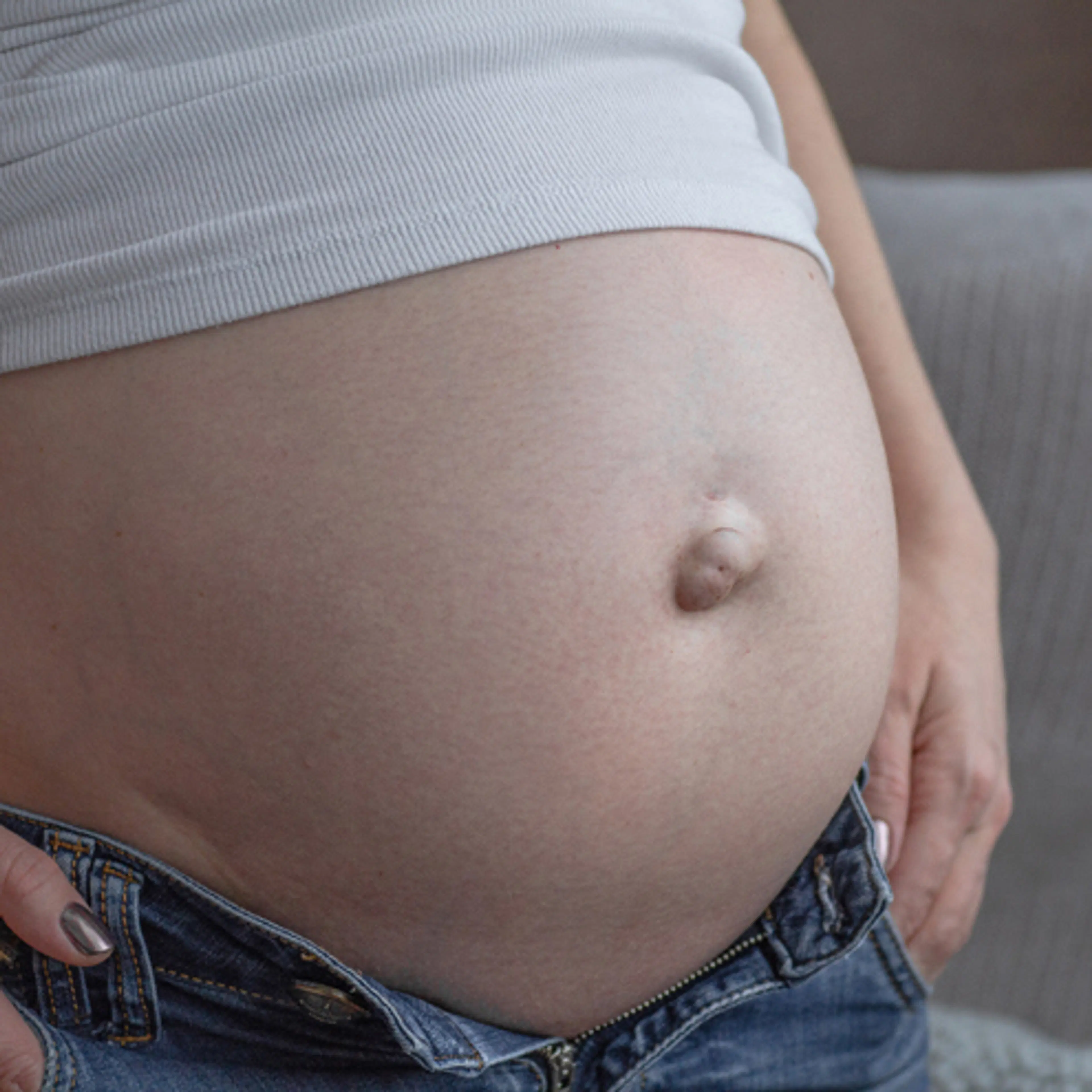
Umbilical hernia: Around the belly button area. Often seen in infants but also occurs in adults.
Hiatal hernia: Occurs when part of the stomach pushes through the diaphragm into the chest.
Incisional hernia: Develops at the site of a previous surgery.
While hernias don’t always cause pain, they can become more noticeable over time, and if left untreated, they can lead to complications like incarceration (where the tissue becomes trapped) or strangulation (where the blood supply is cut off).
How Can You Tell If You Have a Hernia?
You might not even notice a hernia until a lump or bulge appears. However, several key signs can help you identify one:
Visible Bulge: The most common symptom of a hernia is a noticeable lump or bulge that may grow in size over time. This is usually more visible when you’re standing up or straining, like when lifting something heavy or coughing.
Pain or Discomfort: The bulge may not hurt at first, but it can cause a dull ache or pressure, especially when bending over or lifting. In some cases, it may feel tender to the touch.
Swelling in the Groin or Abdomen: Hernias in the groin (inguinal hernias) may cause swelling that you can feel in your lower abdomen or groin.
Feeling of Fullness: Some people with hernias report a feeling of fullness or heaviness in the area where the lump appears, especially after meals or physical activity.
Changes in the Lump: The lump may disappear when you lie down or apply gentle pressure. However, in some cases, it may stay swollen or even become larger as time goes on.
Why Should You Care About a Hernia?
A hernia might seem like just an inconvenient lump, but ignoring it can lead to serious complications. While some hernias remain stable for years, others can grow, causing increasing discomfort and health risks. For example, if a hernia becomes incarcerated (trapped) or strangulated (losing blood flow), it can lead to life-threatening complications.
Here’s the key: If you’ve noticed a lump and it’s not going away, you should get it evaluated. Many people delay seeking medical attention due to fear or embarrassment, but this can actually increase the risk of needing emergency surgery.
How to Treat a Hernia: What You Need to Know
The good news is that most hernias can be treated effectively. Early intervention is crucial for a smoother, less invasive treatment process. Let’s look at your options:
Watchful Waiting: In some cases, small hernias that don’t cause discomfort or pain can be monitored. Your doctor will advise you on how to observe the hernia, and when to seek further care.
Surgery: The primary treatment for hernias is surgery. While the thought of surgery might sound intimidating, modern surgical techniques—like minimally invasive laparoscopic surgery—offer quicker recovery times and less scarring. At Always For You Medical Center, we specialize in hernia repair through precision surgery that minimizes pain and promotes faster healing.
The procedure generally involves repositioning the bulging tissue back into place and reinforcing the surrounding muscle with a mesh or sutures. Depending on the size and location of the hernia, the surgery can be done under local or general anesthesia.
Post-Surgical Care: After surgery, patients typically recover quickly. In most cases, patients can resume normal activities within a few weeks, with reduced risk of recurrence. Minimally invasive surgery often leads to faster recovery times and smaller scars, so you can get back to your life sooner.
Why See a Specialist?
Hernias are common, but not all hernias are the same. They come in many sizes and can occur in different parts of the body. This is why it’s essential to consult with a specialized medical center, like Always For You Medical Center, where the experience of seasoned doctors, like Dr. Woo-Young Yoon and Dr. Byung-Hoon Son, can make a difference.
Their expertise in hernia diagnosis and treatment ensures that you’ll receive personalized care based on your unique health needs. Whether it’s a small umbilical hernia or a larger inguinal hernia, the treatment plan will be designed to minimize discomfort and promote a speedy recovery.
At Always For You, you’ll benefit from:
Comprehensive diagnostics: Using advanced imaging technology, we can pinpoint the exact nature of your hernia and customize your treatment plan.
Minimally invasive procedures: These techniques allow for smaller incisions, faster recovery, and less post-surgical pain.
Personalized care: We believe in a concierge approach, guiding you through each step of the process from diagnosis to recovery, ensuring a smooth, comfortable experience.
Don’t Wait: Early Detection is Key
The earlier a hernia is diagnosed, the easier it is to treat. If you’ve noticed a lump or feel discomfort in any part of your body, don’t wait for it to worsen. Schedule a consultation with a trusted specialist today. Early treatment can prevent complications and improve your recovery outcomes.
If you’re dealing with a lump or bulge and aren’t sure what it might be, visit a specialized center like Always For You Medical Center. Our team of expert doctors can help you understand your condition and provide a treatment plan that fits your needs. Don’t let fear or embarrassment hold you back—getting help early ensures a better, quicker recovery.
If you’re noticing changes in your body or experiencing unusual symptoms, it’s always worth getting them checked out. And remember, you don’t have to go through it alone—there’s always expert help available when you need it most.
If you have concerns about a possible hernia, or if you’ve noticed a lump that just doesn’t seem right, don’t hesitate to seek professional care. At Always For You Medical Center, we are dedicated to providing expert care with compassion and precision. Book your consultation today.