Home / Articles
Compression Stockings: Do They Really Reduce Vein Discomfort?
Home / Articles
Compression Stockings: Do They Really Reduce Vein Discomfort?
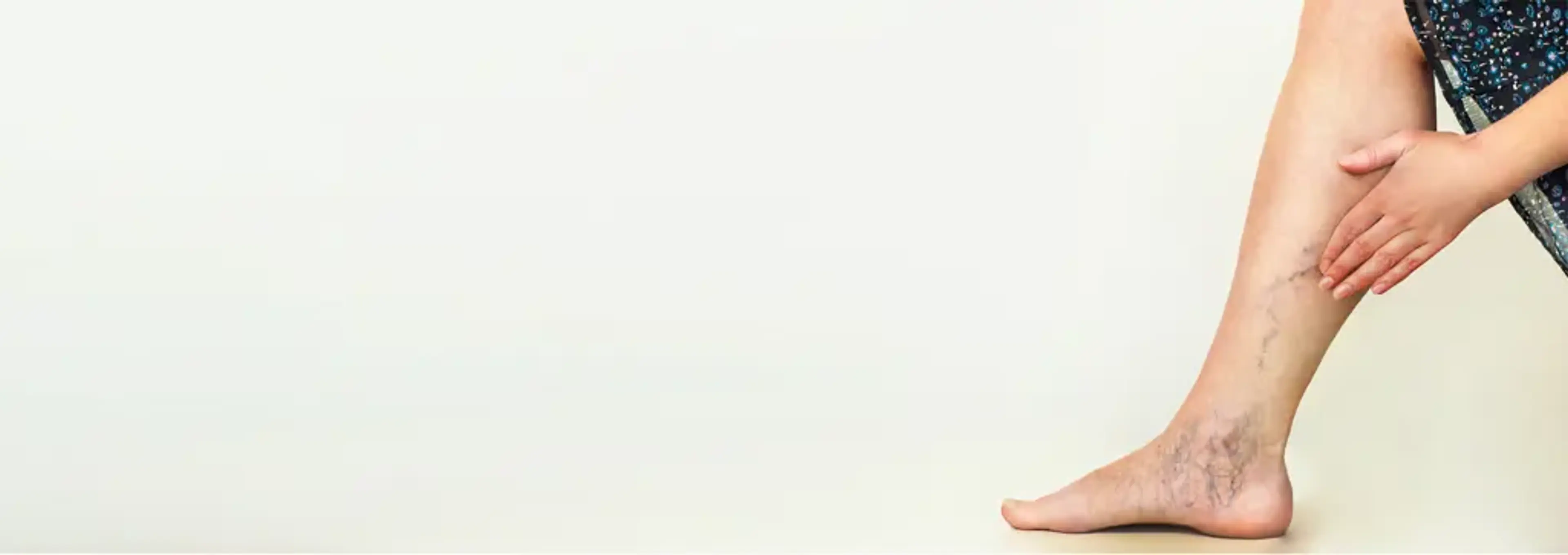
Have you ever felt a dull heaviness in your legs after a long day at work? Or noticed swelling around your ankles after sitting for hours? You’re not alone. Many people quietly deal with these symptoms, brushing them off as mere fatigue. But often, these are early signs of venous insufficiency — a condition where the veins in your legs struggle to return blood back to your heart. In Korea, where people often juggle long commutes and extended hours of standing or sitting, leg vein discomfort is becoming increasingly common.
Let’s unpack the science, benefits, and proper usage of compression stockings — and when they can truly make a difference.
Prolonged sitting or standing (office workers, hair stylists, teachers)
Pregnancy and hormonal changes
Obesity or sudden weight gain
Genetic predisposition
Age-related weakening of veins
In Korea, it’s not uncommon for people to dismiss these signs until more visible symptoms — like varicose veins or significant swelling — develop. But early intervention can change the entire trajectory.
Venous disease is not just a cosmetic issue. Left untreated, it can lead to chronic pain, leg ulcers, and even blood clots. That’s why understanding conservative options like compression therapy is crucial.
Encourages blood flow back to the heart
Reduces swelling (edema)
Prevents blood from pooling in lower extremities
Eases pain and fatigue associated with poor circulation
Compression stockings mimic the effects of walking by squeezing the leg tissues and veins, which helps blood flow in the correct direction. For people who cannot stay active due to injury, work, or health conditions, they offer a form of dynamic support throughout the day.
Korean studies, including trials at Seoul National University Hospital, have noted improvements in patient-reported symptoms when stockings are worn consistently.
Compression therapy is also a key part of post-surgical care. After varicose vein procedures, wearing compression helps maintain results and accelerates recovery.
We’ve seen cases where improper sizing or inconsistent use led to minimal benefits, and others where the right compression level made a dramatic difference. That’s why patient education is essential.
Compression is powerful, but it’s not a cure-all. If your symptoms persist or worsen despite proper use, it may point to underlying issues such as:
Many patients come to us after trying over-the-counter stockings that provided little relief. Often, they need medical-grade support, targeted treatment, or minimally invasive procedures like sclerotherapy or radiofrequency ablation — all of which we provide in a seamless, coordinated system.
Compression levels range from mild (8–15 mmHg) to medical-grade (20–30 mmHg or higher). Choosing the right level depends on your symptoms and health status.
Compression Level | Best For |
|---|---|
8–15 mmHg | Travel, mild fatigue, daily prevention |
15–20 mmHg | Mild varicose veins, standing jobs |
20–30 mmHg | Moderate swelling, post-surgery |
30–40 mmHg | Severe venous insufficiency, ulcers |
Inappropriate sizing is a common problem we see in patients who purchase online or self-diagnose. Compression therapy only works when it’s personalized.
Even the best compression stockings are ineffective if worn incorrectly. A few key guidelines:
While stockings help, long-term comfort often depends on holistic care. We often recommend:
Compression therapy works best as part of a broader vein health plan. Think of it as one gear in a larger system.
If you experience any of the following, it’s time to consult a vascular expert:
Persistent swelling despite compression
Skin discoloration or hardening
Nighttime leg cramps or burning sensations
A visible, bulging varicose vein
Sudden onset leg pain or warmth (possible DVT)
We also understand the hesitation many feel in seeking help for "non-urgent" symptoms. But leg health is central to your overall well-being. Ignoring chronic discomfort can lead to irreversible damage.
Compression stockings may seem basic, but when used correctly, they’re a remarkably effective part of vein care. They won’t cure venous disease, but they can ease discomfort, slow progression, and buy valuable time — especially when paired with medical supervision.