Home / Articles
Anal Fissure Relief: What Really Works (See the Doctor’s Picks)
Home / Articles
Anal Fissure Relief: What Really Works (See the Doctor’s Picks)
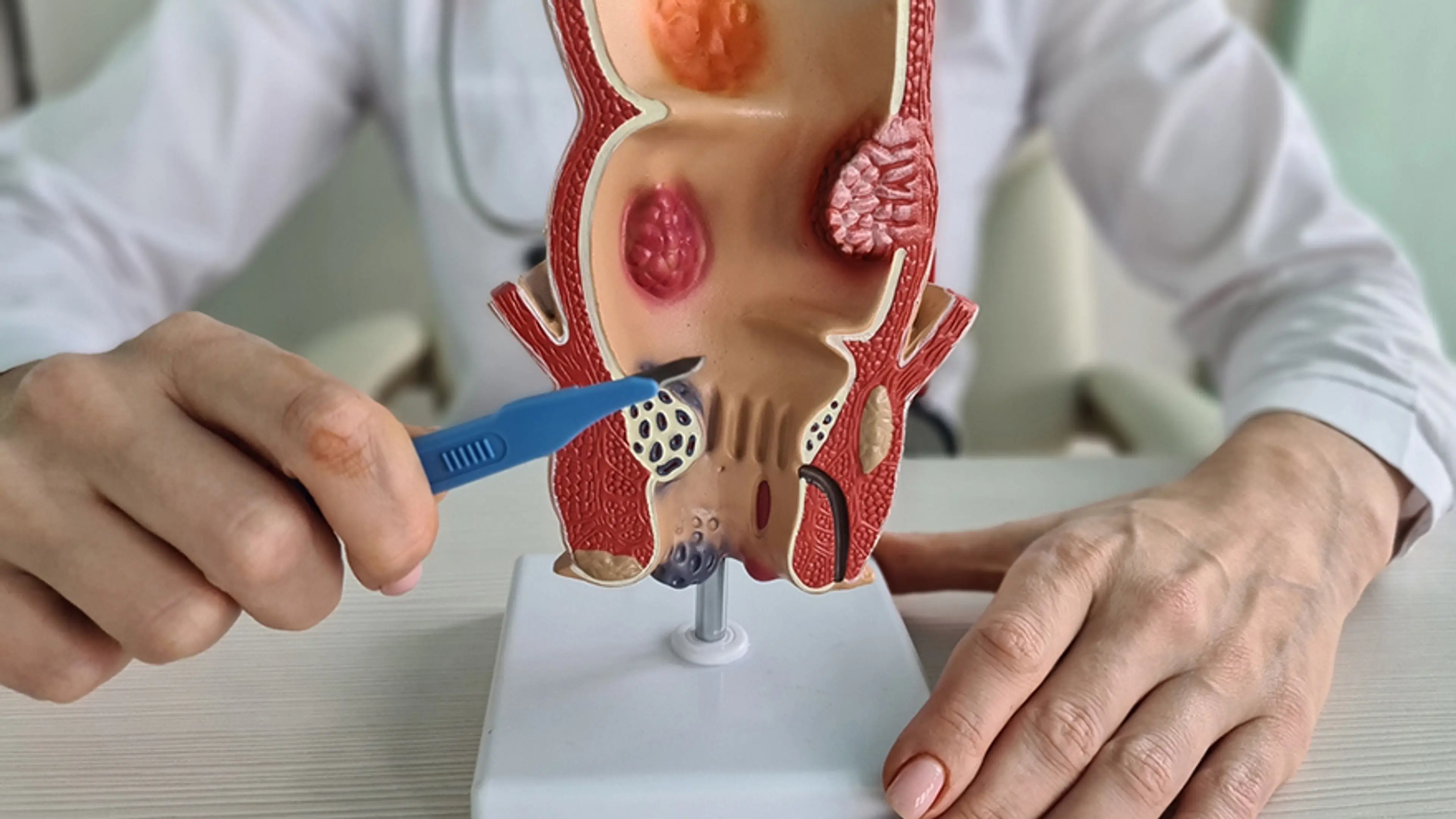
An anal fissure — a small tear in the skin around the anus — can be painful and distressing, often causing sharp discomfort during or after bowel movements. While it’s not always a topic people are eager to discuss, the fact is that many of us face this uncomfortable issue at some point. In fact, anal fissures are quite common, particularly among individuals with chronic constipation, diarrhea, or who have experienced childbirth. However, the good news is that with the right care and guidance, relief is possible.
As a multidisciplinary medical center, Always For You Medical Center is dedicated to providing not just effective treatment options, but a personalized approach to managing conditions like anal fissures. Dr. Woo-Young Yoon and Dr. Byung-Hoon Son, experienced surgeons who have headed surgical departments at prominent hospitals like Asan Medical Center and Seoul National University Hospital, share their insights into the best ways to alleviate this condition. In this article, we’ll explore the most effective remedies and treatments for anal fissures — handpicked by experts — to help you regain comfort and well-being.
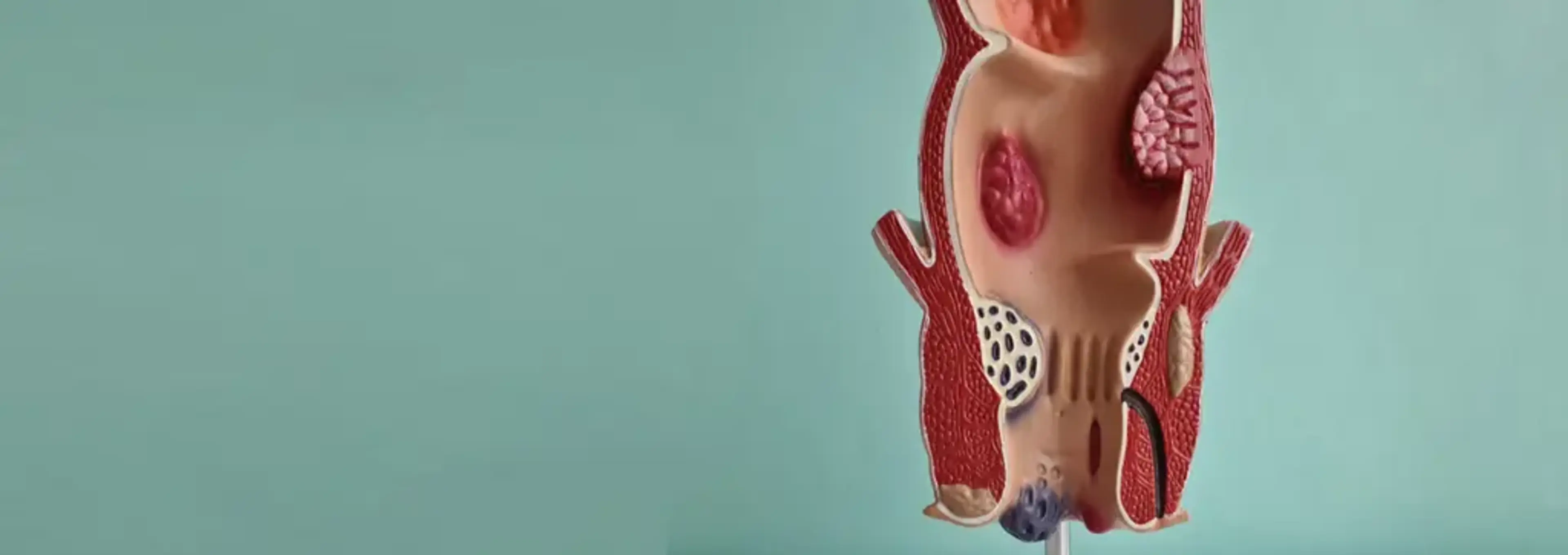
An anal fissure is essentially a small tear or crack in the delicate skin around the anus. It may develop when the area is stretched too much, usually due to passing large or hard stools, or experiencing prolonged diarrhea. It’s common in people who are constipated, as straining during bowel movements can exacerbate the issue.
While the discomfort from an anal fissure can be intense, it usually heals on its own within a few weeks, provided the right care and prevention strategies are followed.
The hallmark of an anal fissure is sharp pain during or after a bowel movement. Other common symptoms include:
If you experience these symptoms, it’s important not to ignore them. While anal fissures are typically not a sign of a serious underlying condition, they can become chronic if left untreated, leading to persistent pain and discomfort.
Now, let’s dive into the most effective methods for relieving the pain and promoting healing. These recommendations, based on clinical expertise, are designed to address both the immediate discomfort and the underlying causes of anal fissures.
One of the first things doctors often recommend for managing an anal fissure is taking warm sitz baths. This method involves sitting in a few inches of warm water for about 10-15 minutes, several times a day — especially after bowel movements.
The warm water helps relax the anal muscles, increases blood flow to the area, and soothes irritation. It can also reduce the spasms associated with fissures, which can be one of the main contributors to pain. By easing these spasms, you give the fissure a better chance to heal.
For many people, over-the-counter creams and ointments provide effective relief from the symptoms of anal fissures. Some common types of topical treatments that doctors recommend include:
Dietary changes play a crucial role in managing and preventing anal fissures. A high-fiber diet ensures that stool remains soft and easy to pass, reducing the strain during bowel movements that could worsen an anal fissure.
Doctors recommend foods like:
Staying well-hydrated is just as important as increasing fiber intake. Drinking plenty of water helps keep stool soft, which can prevent the pain associated with passing hard, dry stools.
In some cases, conservative treatments like sitz baths, topical ointments, and dietary changes may not be enough to heal an anal fissure. If the fissure becomes chronic or particularly painful, surgical intervention may be needed.
This procedure is highly effective and often results in significant pain relief within a few days. It's typically recommended when other treatments have failed, and the fissure has become a persistent issue.
Another treatment option for chronic anal fissures is Botox injections. This may sound surprising, but Botox is actually quite effective in relaxing the anal sphincter and relieving pain associated with fissures. It works by temporarily paralyzing the muscle, preventing spasms, and allowing the fissure to heal.
While Botox isn’t a permanent solution, it can be a great alternative for patients who want to avoid surgery.
Once the fissure heals, maintaining regular, comfortable bowel movements is essential to prevent recurrence. Regular exercise, a fiber-rich diet, and sufficient hydration are all part of this strategy. Additionally, avoiding straining during bowel movements is critical. If you feel the urge to go, don’t delay — this can lead to harder stools and unnecessary pressure on the anal region.
While anal fissures often heal on their own with the right care, it's important to seek medical advice if:
The fissure doesn’t improve after several weeks.
You experience severe, persistent pain.
You notice excessive bleeding or changes in your stool.
The fissure keeps recurring.
At Always For You Medical Center, we specialize in offering tailored care plans for conditions like anal fissures. Our multidisciplinary approach ensures you get the right treatment — whether it’s dietary guidance, topical treatments, or more advanced surgical options.
Anal fissures are undeniably uncomfortable, but the good news is that there are effective treatments that can bring relief. Whether you start with lifestyle changes, topical ointments, or seek more advanced interventions like Botox or surgery, the key is to address the problem early and ensure it doesn’t become chronic.